The digital product passport for fashion and textiles
What the passport is
The Commission describes the passport as a digital container of product information that should make supply chains more transparent, help consumers choose and make compliance easier across the single market. The data itself stays with the companies that hold it; what is central is the registry, where economic operators must register each passport with a unique product identifier and its metadata.
Registration works through a web interface or an API, so a brand with many products can connect its own systems instead of entering each item by hand. Besides textiles, the registry covers products such as steel and aluminium, tyres, furniture and ICT products, plus groups covered by other EU laws, such as certain large batteries and toys.
Where the textile rules stand
The ecodesign regulation works product group by product group. The Commission adopted its first working plan in April 20252; it covers five years, with a review in 20282, and sets out which products come first. Preparatory work on textiles has already begun, and the requirements for textiles, including what their passport must contain, will be set in the rules for that product group.
The same rules will set the date from which clothing needs a passport. Until they are adopted, no such date applies, and a deadline quoted elsewhere is a forecast; the Commission's ecodesign pages are where the adopted date will appear.
What already applies to unsold clothes
One part of the ecodesign rules is already in force for fashion. From 19 July 20263, large companies in the EU may no longer destroy unsold clothes, clothing accessories and footwear. Medium-sized companies follow from 20303, while small and micro-businesses are exempt. Destruction stays allowed in specific cases, such as unsafe or damaged products, counterfeits or items that charities reject, but the business must prove the reason.
Companies must keep records for five years3, and a standard format for disclosing the volumes of unsold goods they discard applies from February 20272. The European Environment Agency estimates that 4% to 9%3 of textile products placed on the European market are destroyed before use.
Producer responsibility for textiles
A second EU change sits next to the passport. The revised Waste Framework Directive entered into force on 16 October 20254, and Member States have 20 months5 to write it into national law. Each of them must set up an extended producer responsibility scheme for textiles, under which producers that make clothing, footwear and other textiles available in that country pay for their collection, sorting and recycling, within 30 months5 of the directive entering into force. Micro-enterprises get 12 more months5.
At the European Parliament's request, those involved in reuse are not subject to these schemes, which is worth knowing when you plan how resale fits next to your new collections.
What it changes for resale
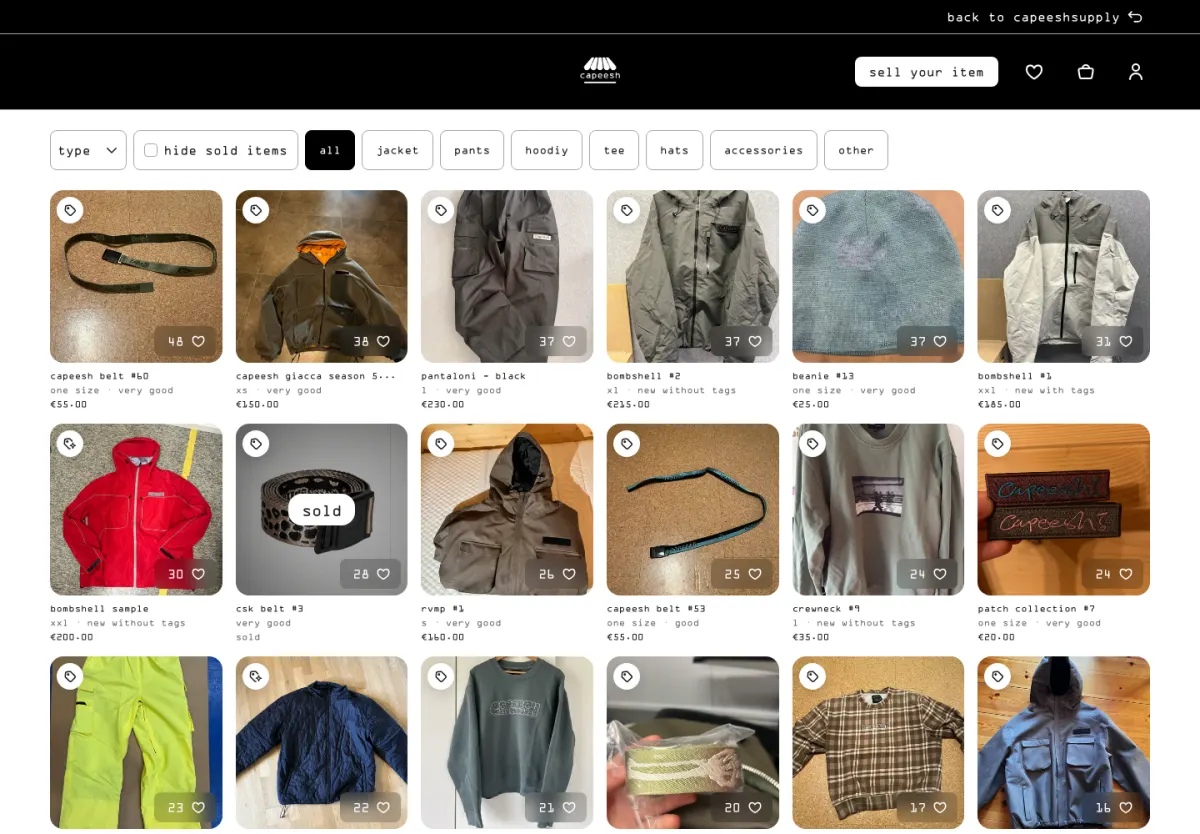
Resale already depends on product data. In a connected resale shop, the seller picks a piece from their order history and the listing pulls the description, stock images and original price from the brand's catalogue; on The Fashion People this comes from Shopify through an API. Brands that keep their product data clean today make resale listings faster now and will have less to fix when passports arrive.
The passport points in the same direction as the unsold-stock rules: products that stay in use and can be identified later. A resale channel for your own returns and past seasons, such as Brand Direct on The Fashion People, gives unsold pieces somewhere to go other than destruction.
What to do this year
- List the product data you hold per style: materials, origin, care, images and identifiers, and who owns each field.
- Decide where unsold and returned stock goes, and keep the records the destruction ban asks for if you are a large company or, from 20303, a medium-sized one.
- Follow the textile working plan on the Commission's ecodesign pages instead of second-hand summaries.
- Ask any resale provider how its listings use your catalogue data and how it would read a product identifier.
FAQ
Is the digital product passport mandatory for clothing now?
Not yet. The date will be set in the rules for textiles, which are still being prepared. The registry where passports will be recorded has been live since 20 July 20261.
Does the ban on destroying unsold clothes apply to small brands?
No. Small and micro-businesses are exempt. Large companies are covered from 19 July 20263 and medium-sized companies from 20303.
Where is the passport set up in law?
In the ecodesign regulation, Regulation (EU) 2024/17811, which also holds the rules on destroying unsold products.
Sources
- European Commission, DG GROW, announcement of 20 July 2026
- European Commission, Green Forum: implementing the ESPR
- European Commission, DG Environment, news of 17 July 2026
- European Commission, DG Environment, Waste Framework Directive
- European Parliament, Legislative Train: revision of the Waste Framework Directive
General information from the Commission and Parliament pages listed below, not legal advice.
Let's get started
Talk to us about resale for your brand
Leave your work email and your shop address. A person from The Fashion People writes back to agree a time for a demo.